Get Healthy!
- Posted February 28, 2026
Flea And Tick Pills May Pose Environmental Risks, Study Finds
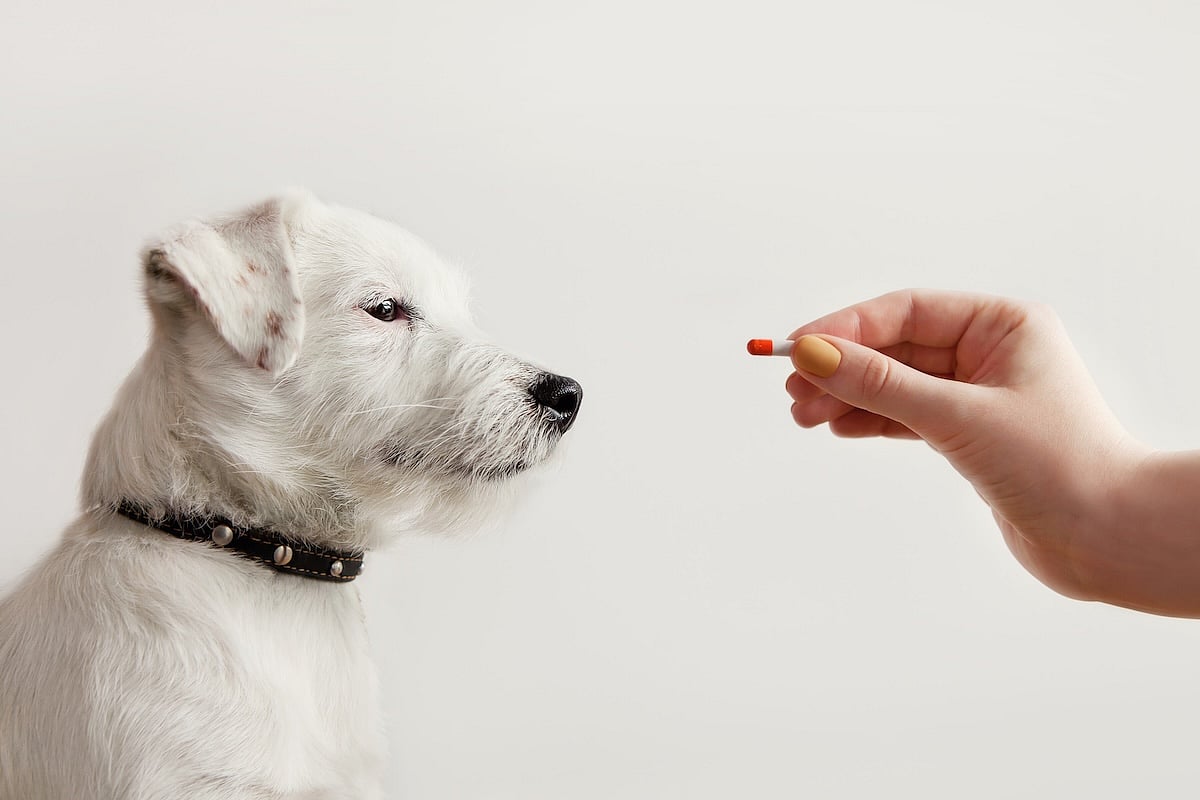
Giving your kitty or pup a pill to keep fleas and ticks at bay may an unintended effect on nature.
A relatively new class of meds prescribed by veterinarians in the U.S. and abroad called isoxazolines also pose a threat to insects that play vital roles in improving soil quality and recycling nutrients in the natural world, French researchers warn.
Introduced in 2013, isoxazolines were the first oral treatments able to control fleas and ticks for a month or more. Drugs in this class that have U.S. Food and Drug Administration (FDA) approval include Bravecto, Credelio and NexGard.
But after pets take isoxazolines, the active compounds can wind up in the environment when pets poop, pee or shed, putting insects like butterflies, beetles and flies that feed on dung at risk.
The researchers warn that these bugs play important ecological roles. For example, they help control unwanted pests, break down waste and enrich the soil.
For the new study-- recently published in the journal Environmental Toxicology and Chemistry -- a team at VetAgro Sup in Marcy l’étoile, France, led by Dr. Philippe Berny monitored 20 cats and 20 dogs for three months.
The animals received isoxazoline treatments, and researchers measured how much of the active ingredients remained in their feces over time. They also estimated the extent of exposure to dung-feeding bugs.
Even after the treatment period ended, researchers said two of the four active ingredients commonly found in these products remained present in animals’ feces.
In cats, one of the ingredients was detected as long as 156 days later, and in dogs up to day 114, the study found.
"This exposure could disrupt important ecological processes and potentially lead to serious consequences for environmental lifecycles," researchers said in a news release.
More information
The Cornell College of Veterinary Medicine has more about flea and tick treatments for dogs and cats.
SOURCES: Oxford University Press USA, news release, Feb. 22, 2026; Environmental Toxicology and Chemistry, February 2026
